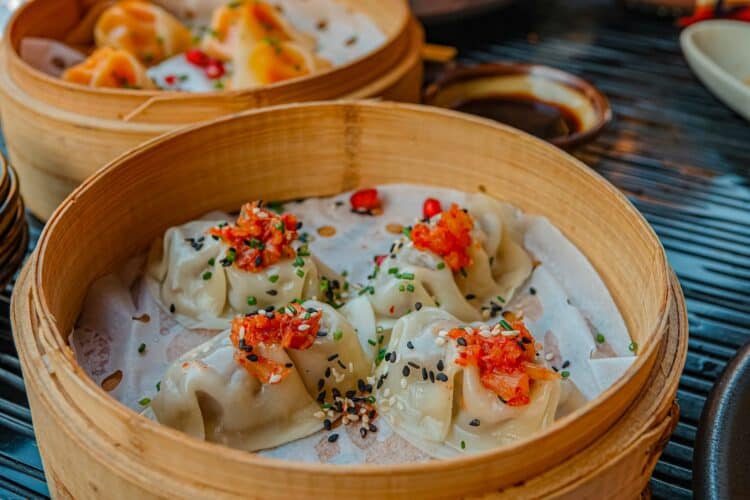
Communal dining changes the pace of a meal. Instead of concentrating on one plate, everyone tastes, compares and passes dishes around the table. A crisp dumpling might lead into something soft and steamed, followed by a rich main course lifted by sharp pickles or fresh vegetables. This variety keeps the palate interested, while the shared format encourages conversation. It also gives you a broader taste of a kitchen’s strengths without asking each diner to commit to a single choice.
The Social Ritual of Shared Tables
Food has long helped people mark celebrations, welcome guests and strengthen relationships. The evolution of communal dining may have produced different table customs across cultures, but the basic pleasure remains familiar: a shared dish creates a natural point of connection.
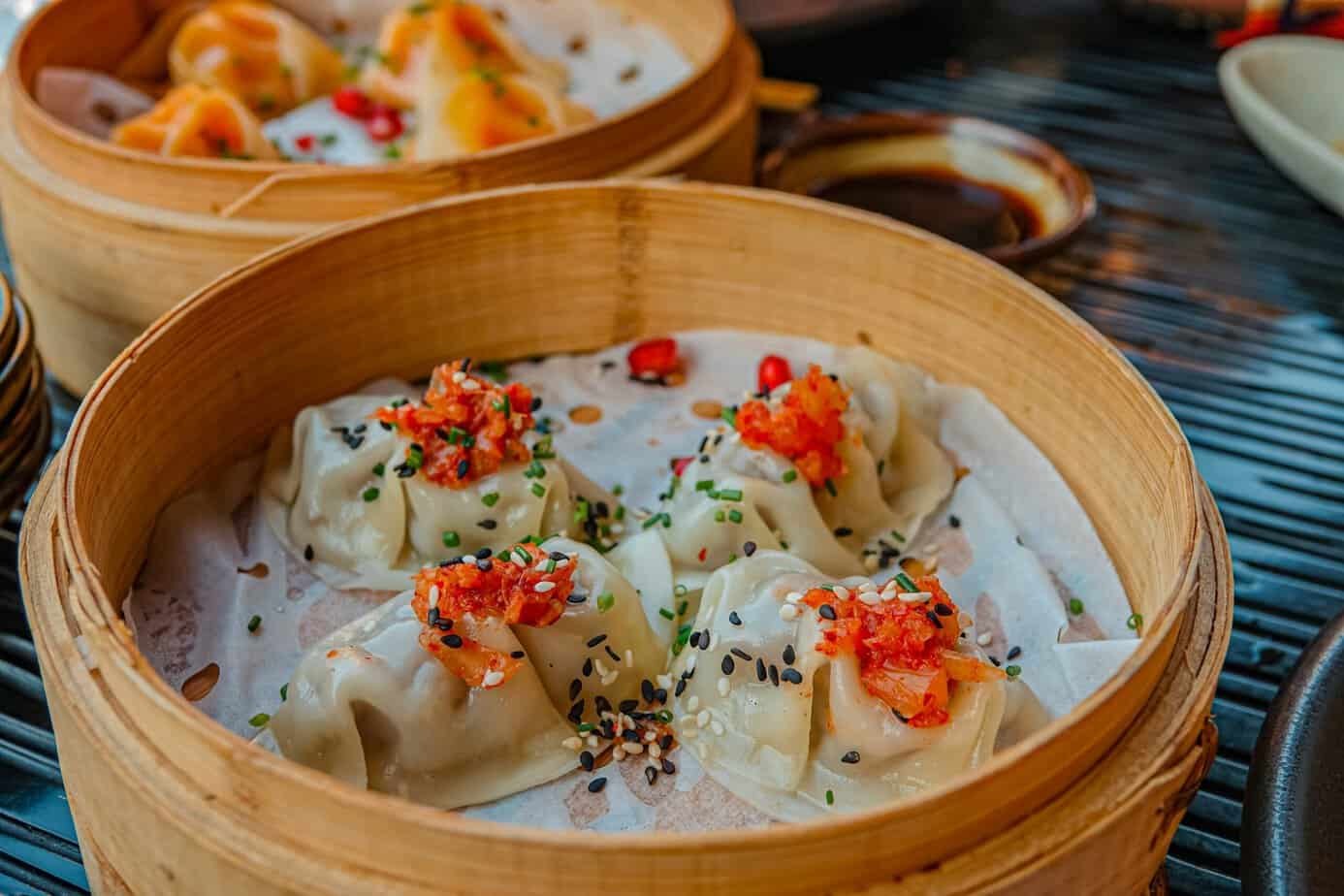
This is particularly clear with dim sum. Small baskets arrive in stages, giving everyone time to notice textures, fillings and favourite combinations. If you’re arranging a group meal in central London, choosing a Restaurant Leicester Square with freshly made dim sum and home-style Chinese cooking makes the sharing format easy. Order several dishes for the middle, then let conversation develop at the table’s own pace.
Balancing Sweet, Savoury and Piquant Notes
A satisfying shared meal moves between contrasting flavours. Savoury dumplings or roasted dishes provide depth, while lightly sweet sauces can soften salty notes. Chilli, ginger, spring onion and vinegar then add brightness or heat. The aim is to create a sequence that keeps each mouthful distinct.
Texture matters just as much. Pair crisp rolls with silky rice noodle dishes, fluffy buns with crunchy vegetables and rich sauces with plain steamed rice. If three people are sharing, start with four or five varied plates and add more once you know what the table enjoys. Ordering in stages also keeps hot dishes at their best and prevents the table from becoming crowded before anyone has tasted the first round.
Where Tradition Thrives in Busy Quarters
Busy dining districts might seem modern and hurried, yet they often protect old food customs remarkably well. Chinatown restaurants, neighbourhood cafés and family-run dining rooms bring traditional recipes into places where residents, workers and visitors cross paths throughout the day.
Communal meals suit these lively quarters because the table becomes a small social space within the bustle outside. The wider idea of social dining culture explains why eating together can feel like an experience in its own right. Look for dining rooms where dishes arrive freshly prepared and staff understand the flow of a shared order. A steady succession of plates feels more relaxed than receiving everything at once, especially when the group wants time to talk.
How to Order for a Balanced Group Meal
Begin by checking dietary needs and appetite levels before choosing individual dishes. For four diners, a useful starting point is two small plates, two steamed selections, one substantial main, one vegetable dish and rice or noodles. You can then order another plate if the group is still hungry.
Spread your choices across cooking methods and flavour profiles. One fried item may be enough if the rest of the meal includes steamed, braised and stir-fried dishes. Ask for sauces on the side when spice preferences differ, and include at least one mild option that everyone can enjoy.
Most importantly, avoid ordering six versions of the same texture simply because they sound familiar. A table with delicate dumplings, crisp vegetables, a deeply savoury centrepiece and a clean, bright accompaniment gives every diner something to return to. The best final mouthful is often the one assembled from the last few shared dishes, once everyone has discovered which flavours work together.