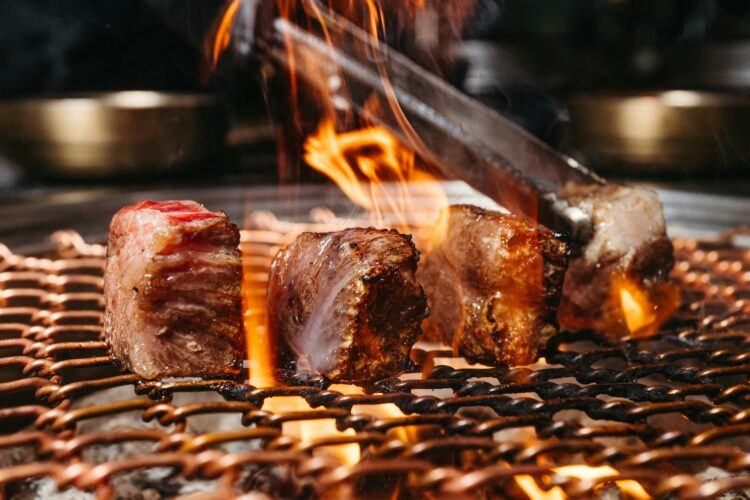
Charcoal, glowing embers, and carefully managed heat give modern dishes flavours that standard ovens can’t easily reproduce. Chefs use these cooking methods to create crisp edges, gentle smokiness, and eye-catching colour while keeping the ingredients themselves at the centre of the plate. The same principles can improve vegetables, flatbreads, seafood, and meat at home, provided you understand how fuel, distance, and timing work together.

Image Credit: Unsplash
The Revival of Charcoal Cooking
Charcoal cooking has returned to restaurant menus because it delivers several effects at once. Radiant heat browns food quickly, while smoke and hot cooking surfaces develop layers of aroma and texture. This renewed interest in live-fire cooking also reflects diners’ appetite for food prepared with visible skill and fewer complicated interventions.
Contemporary chefs often pair traditional equipment with seasonal produce and precise presentation. A modern Indian restaurant, for example, may use a robata grill and tandoor cooking to bring controlled charring to British ingredients while preserving the character of familiar spices. At home, you can take a similar ingredient-led approach. Start with sturdy vegetables such as cauliflower, cabbage, or eggplant, which can handle intense heat without losing their structure.
Balancing Smoke and Delicate Spices
Smoke should support seasoning, not cover it. The compounds created during browning and combustion explain why live-fire flavour can seem deeper and more aromatic, but too much exposure may flatten citrus, herbs, and delicate ground spices.
Build flavour in stages. Apply heat-tolerant seasonings such as cumin, coriander, or black pepper before cooking, then add fragile ingredients once the food leaves the grill. Fresh cilantro, lemon juice, and finely grated ginger all taste brighter when added at the end.
A yogurt marinade can protect thin pieces of food while carrying spice across the surface. Remove excess marinade before cooking so it doesn’t drip heavily onto the coals and produce harsh smoke. For vegetables, a thin coating of neutral oil is usually enough. Finish with a spiced butter, herb dressing, or squeeze of lime after resting the food for two or three minutes.
Controlling Heat Without Open Flames
Good grilling depends on glowing coals and controllable heat, not tall flames. Arrange the charcoal into two zones, with a dense layer on one side and little or no fuel on the other. This gives you a hot area for browning and a cooler area where food can cook through gently.
Hold your hand well above the cooking grate only if it’s safe to do so. A better option is an instant-read thermometer plus close visual checks. If the exterior colours too quickly, move the food to the cooler zone and close the lid. Keep vents partly open so oxygen can maintain a stable bed of coals.
For another accessible look at outdoor cooking equipment and setup, this guide to the Char-Broil Big Easy shows how contained heat can produce roasting, smoking, and crisping effects in one unit. Always follow the manufacturer’s placement and ventilation instructions.
Techniques You Can Replicate at Home
Begin with one ingredient and a simple two-zone setup. Heat the grill fully, clean the grate, and oil the food instead of pouring oil directly onto the cooking surface. Place cauliflower steaks, zucchini halves, or chicken thighs over the hotter zone until clear grill marks form, then move them across to finish at a gentler temperature.
Turn food only when it releases easily. If it sticks, the surface probably hasn’t browned enough. Use a thermometer to confirm that meat has reached a safe internal temperature, since colour alone isn’t a reliable guide.
Rest cooked food briefly before slicing, then add fresh seasoning. A spoonful of mint yogurt cools grilled vegetables, while lemon and chopped herbs sharpen richer dishes. Once the coals are completely cold, dispose of them according to local guidance. That final topping, added moments before serving, is often what turns simple charcoal cooking into a polished modern plate.